
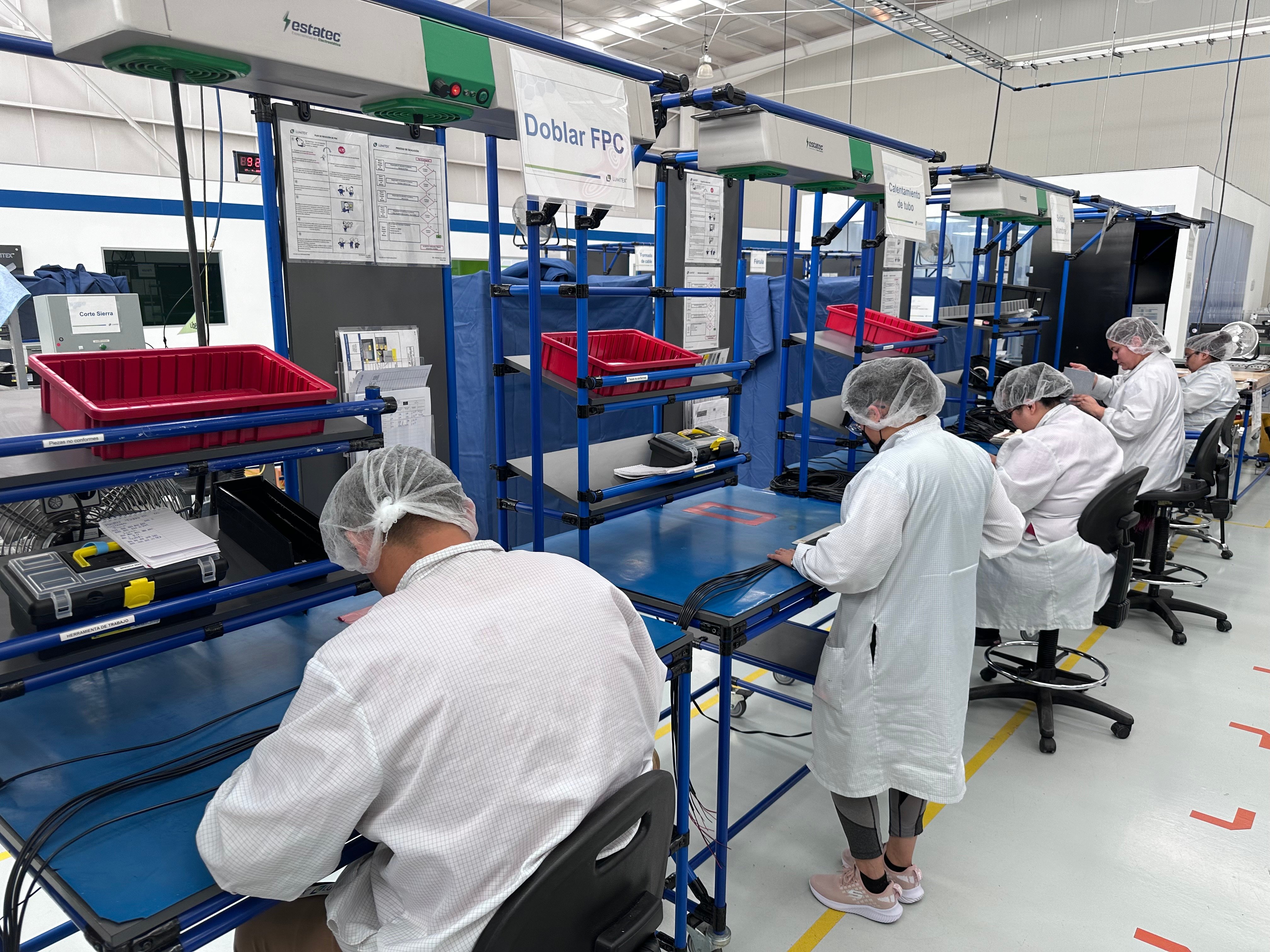
Why manufacturability matters in medical device lighting
Lighting is often one of the most technically sensitive parts of a medical device. It must meet optical performance requirements while fitting into tight spaces, managing heat, supporting usability, and aligning with the overall device architecture.
When manufacturability is considered too late, teams can face added cost, delayed timelines, supplier challenges, quality issues, and redesign work.
By considering production requirements earlier, medical device teams can improve:
- Manufacturing efficiency
- Assembly consistency
- Product quality and reliability
- Cost control
- Scalability
- Production readiness
- Long-term supportability
Our Approach
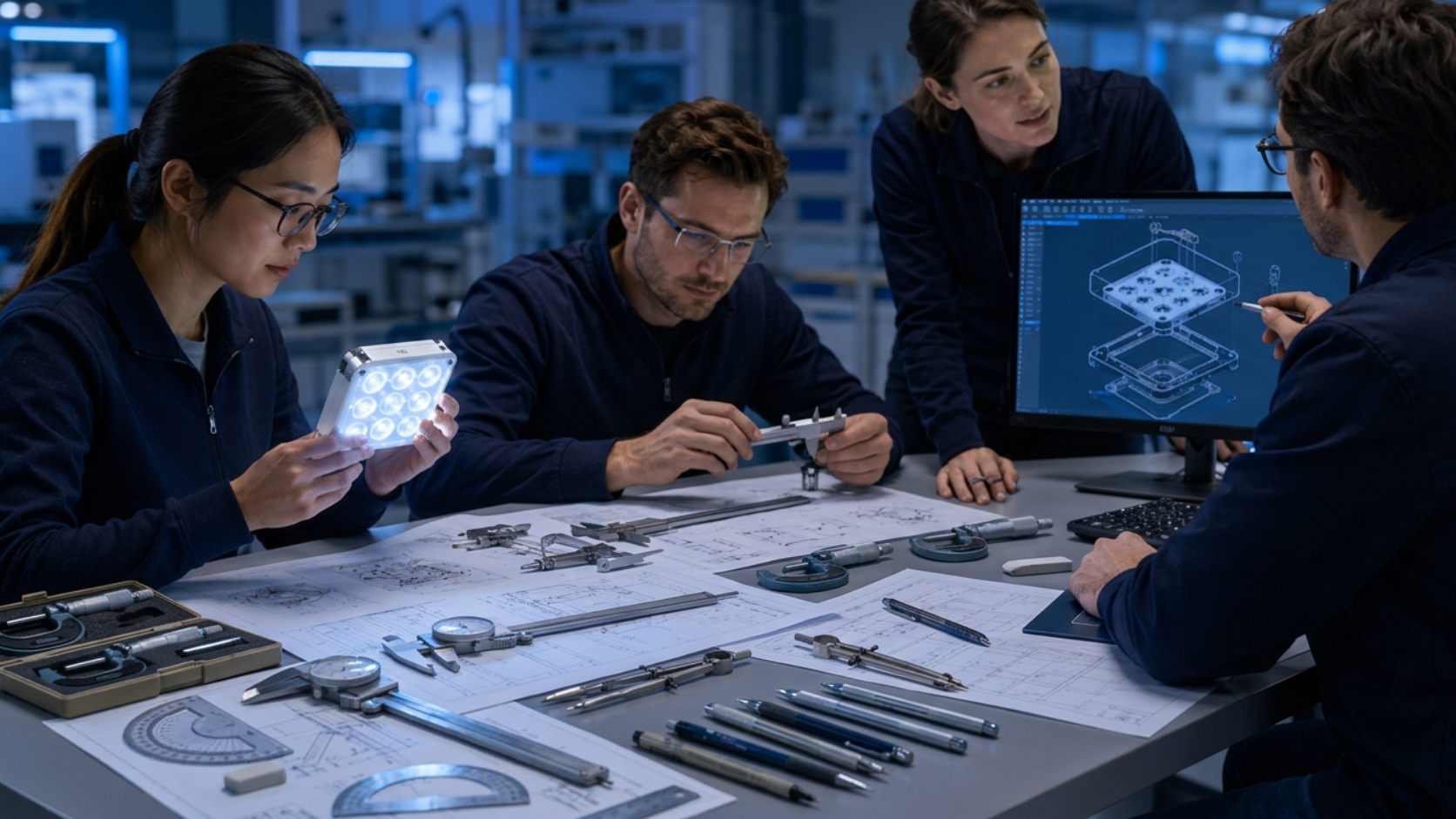
Lumitex works with customers early in the development process to evaluate how a lighting solution will perform, integrate, and scale.
Our team considers factors such as material selection, component geometry, tolerances, assembly method, inspection access, testing needs, and the intended manufacturing process. We also look for opportunities to simplify designs, reduce unnecessary components, standardize materials, and make assembly more intuitive.
The goal is simple: create a lighting solution that works as intended and can be built consistently.