Surgical Lighting: The Definitive Guide

Quality surgical lighting is critical in the operating room. Surgeons need clear visualization without added eye strain, heat or shadowing during complex procedures.

The challenge is choosing the right surgical lighting method for the procedure, the clinical team and the patient. Different surgical environments may require overhead lights, headlamps, illuminated loupes, in-cavity lighting or integrated light delivery systems.

In this guide, we explain common surgical lighting methods, key lighting considerations and the role of fiber optics in surgical illumination. We also show how advanced surgical retractor lighting can support better visibility in deep or narrow surgical spaces.

What Is Surgical Lighting?

Surgical lighting is used to illuminate the operative site on or inside a patient during a procedure. Its main role is to help surgeons and operating room staff see tissue, instruments and anatomy clearly.

Good surgical lighting should support visibility while limiting shadows, glare and unnecessary heat. It should also fit the needs of the procedure, surgical team and operating room workflow.

Surgical lighting systems can include overhead operating lights, wearable lights, illuminated loupes, endoscopic light sources and in-cavity illumination. Each method has a different role depending on surgical depth, access and visibility needs.

 

The Ultimate Guide to Light Measurement


This new guide will show you everything you need to know about measurement of light.

It's important to understand the different terms used to characterize light. From the measurement of light in the electromagnetic spectrum, tunderstanding perceived brightness to the human eye, light intensity and the tools used to measure light, this guide covers it all.

Let's dive in...

Light Guide vs Light Pipe for Backlighting

What is a Light Guide?

Light guides are used to distribute light from the source to a particular area that requires illumination. They are made up of a transparent material (glass or plastic) and thin filaments and are capable of transmitting light signals though internal reflections.  


What is a Light Pipe?

Light pipe technology utilizes clear plastic tubes that transmit light from a light source. There are two basic styles of LED light pipes, rigid and flexible, and both are capable of redirecting light with minimal loss of concentration.

Technology that enables more vibrant electronics comes in a variety of forms. There are terms as well as technologies that embrace the illumination industry.

Their characteristics are similar yet different.

The objective of this article is to discuss product enhancement through the use of backlighting and to determine when it is best to use a light guide versus light pipe technology.

Although similar in technology, since both solutions are used to channel light, they have marked differences in their applications.

Visible Light Spectrum: From a Lighting Manufacturer's Perspective


The electromagnetic (EM) spectrum is the range of all types of electromagnetic radiation. It encompasses the entire range of light. Most of which is invisible to the naked eye. From Gamma rays on the left of the visible spectrum to long radio waves on the right. 

As a leading lighting manufacturer, we find the science and technology of light both fascinating and essential. In this article, I'll cover Visible light; and where it falls on the electromagnetic spectrum, its characteristics, and applications. 

Get in Touch

Fiber Optic Lighting and How It Works


What is Fiber Optic Lighting?

Fiber optic lighting utilizes optical fiber (flexible fiber made of glass or plastic) to transmit light from a light source to a remote location.  It is comprised of a core and cladding (coating) that trap light, allowing light to travel long distances. 

Why Do I Need to Add Light to My MRI ?


Ever been told you need to have an MRI?

For many people, the thought of a dark, loud and confined space is too much to handle.

In fact, a study involving an MRI diagnosis and claustrophobia, found up to 13% of patients receiving an MRI reported having a panic attack during the procedure. In a NIH study on MRIs and claustrophobia, a total of 95 patients (1.97%) suffered from claustrophobia and 59 (1.22%) prematurely terminated the examination due to claustrophobia.

As a leading custom medical lighting manufacturer, our passion is to help alleviate the anxiety and help improve patient comfort with the addition of interior lighting into an MRI bore.

Surgical Retractors - Types, Usage & Options


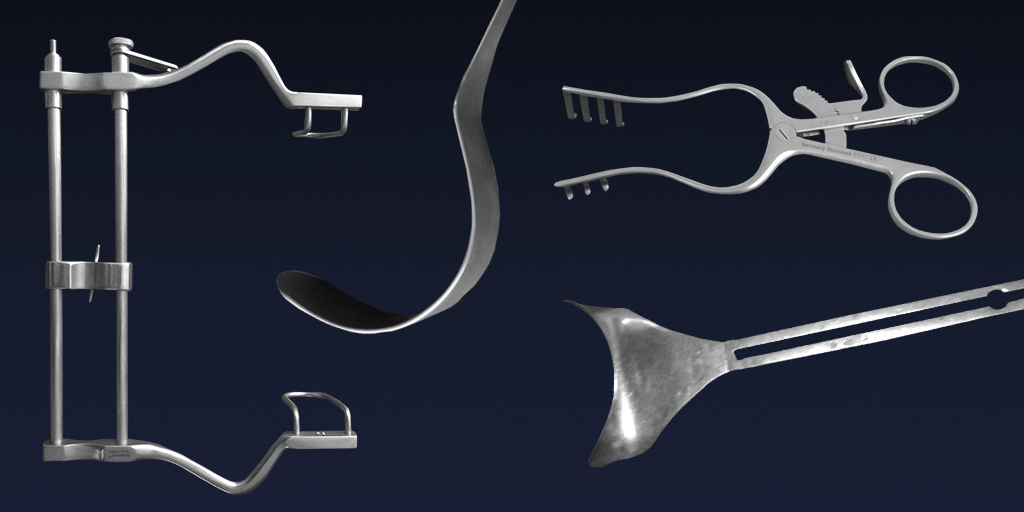
Surgical retractors help surgeons and operating room professionals hold an incision or wound open during surgical procedures. They aid in holding back underlying organs or tissues, allowing doctors/nurses better visibility and access to the exposed area.

The right retractor and medical device lighting will bring comfort and light directly into the surgical cavity where it is needed. If you're a physician, surgical rotation can be strenuous on your arms and if you're a patient you want the best care.  

Retractors play a crucial role in surgery. Today they come in different sizes, shapes and designs. Surgical retractor lighting could allow surgeons to better navigate in deep or minimally-open cavities. Better visibility during and at the end of surgery is beneficial to both the surgical team and patient.

9 Reasons Illuminated Surgical Tools Are Essential in the OR


Would you say quality lighting is essential for operating rooms?

"You cannot see what you are doing if you don’t have good light. You are doing delicate procedures and lighting is the most important part of surgery" – Surgeon at Duke University Medical Center. 

According to our findings from the surgeon surveys conducted at NASS 2017, surgeons are rating their current overhead and headlamp lighting as adequate. 100% of the surgeons said that good lighting is critical to the safety and efficiency of the procedure, specifically in lateral, minimally invasive and deep cavity cases. So if lighting is critical and traditional lighting equipment is only adequate, this poses the question of how lighting can be improved.

Prototyping Methodology: Steps on How to Use It Correctly

Prototyping has been widely used for decades. 

"A prototype is an early sample, model, or release of a product built to test a concept or process or to act as a thing to be replicated or learned from."

If you have an idea you need to evaluate, you may have asked yourself:

Is prototyping the way to go and why use it?

the easy answer is, to gather feedback.

In this article, you'll learn why you need to design a working prototype, different models you can use, the latest trends in prototyping and steps to easily get you started to reach your desired goal/solution.