Advancements in Digital Spinal Planning

Spine surgery demands exceptional precision. Millimeters can make the difference between a successful outcome and serious complications due to the spine’s complex anatomy and proximity to critical neural structures. Over the last several decades, digital spinal planning technologies have emerged as powerful tools to help surgeons plan, visualize, and execute procedures with greater confidence and consistency.

From early computerized templating to today’s 3D navigation, robotics, and augmented reality systems, digital planning has fundamentally changed how spinal procedures are approached. This article explores what digital spinal planning is, how it developed, and the key advantages it brings to modern spine surgery.

Medical Lighting: The Silent Hero in Complex Surgical Procedures

Medical lighting is an engineering solution that can mean the difference between success and failure in a medical procedure. Proper lighting ensures that surgeons can see precisely what they need to, when they need to, with precision and clarity. 

Optimizing Vision: Enhancing Precision With Surgical Lighting Systems

In the operating room, visiualization is critical. The success of a surgical procedure often hinges on the clarity with which the surgical team can see (and interpret) anatomical structures. Modern surgical lighting systems, like overhead lights, in-cavity lighting, and surgeon headlamps, work together to deliver optimized visual environments that optimize patient outcomes. 

In-Cavity Lighting for Better Surgical Visibility

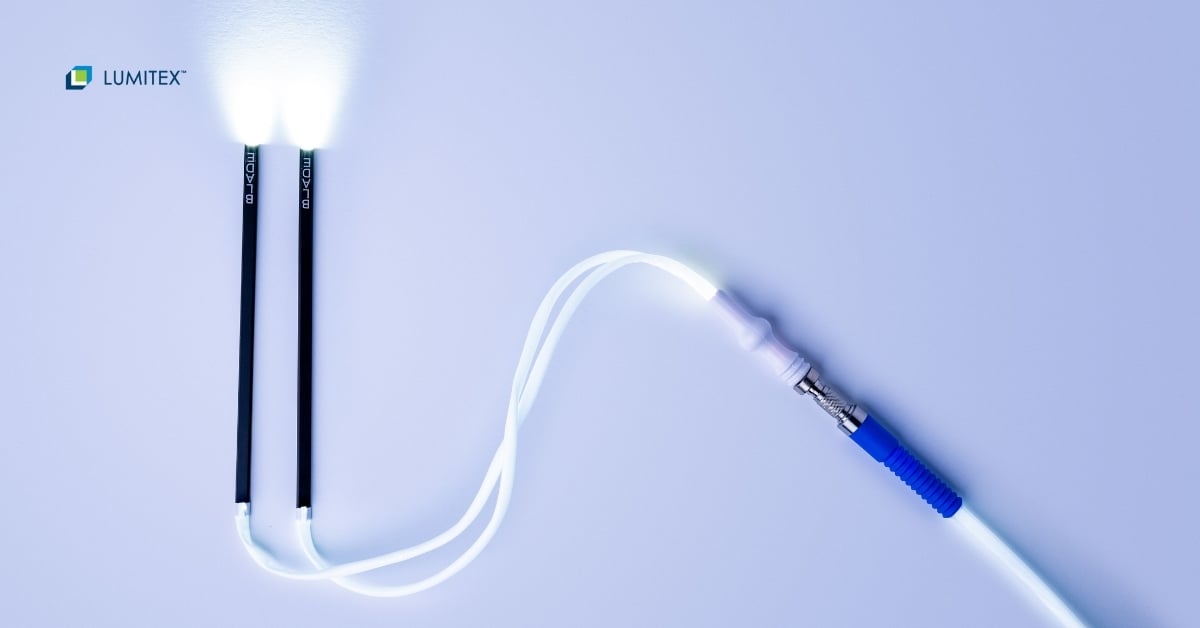
In-cavity lighting gives surgeons a way to illuminate deep or narrow surgical spaces from inside the surgical cavity. Traditional operating room lights and headlamps can still cast shadows, require frequent adjustment or block the surgeon’s view during a procedure.

The Benefits of Light Therapy for Alzheimer’s Patients

A closer look at the potential benefits of light therapy for Alzheimer's patients and how it can improve their quality of life.

The Crucial Conversation on Re-Sterilization of Surgical Tools

In the realm of healthcare, where patient safety and infection control are paramount, the meticulous sterilization of surgical tools plays a pivotal role. The re-sterilization of these instruments has emerged as a critical issue that demands our attention. This practice, while often driven by cost considerations, raises concerns about its potential impact on patient safety and infection control standards. In this blog post, we delve into the complexities surrounding the re-sterilization of surgical tools and the imperative for a thorough examination of its consequences.

Adjustable Hospital Lighting for Better Patient Care

The design of lighting for the hospital setting involves balancing multiple factors, such as anticipating complex procedural scenarios and considering occupants’ biological and physiological needs. Both the needs of the patients and providers should be analyzed, as each group has different lighting-related demands. For example, medical providers require sufficient lighting to complete vital tasks, while patients may need lighting for general comfort and relaxation during their stay. Adjustable lighting can help with the needs of both. When patients' and providers' unique needs are considered, a more human-centric approach can be achieved.

Enhancing Safety in Surgical Lighting: Mitigating Risks

When designing a safe medical device for patients and users, several factors must be considered. Specifically, in the case of surgical lighting, there are critical risks to be mitigated, especially when the light source is near the patient's body during minimally invasive procedures.

In this article, we will discuss four major areas of safety concerns involving surgical lighting:

  • Thermal safety
  • Eye strain of medical staff, and
  • Infection rates associated with reprocessing devices
  • Power outages and lighting failures

We’ll review design concerns and how to overcome these challenges.

Aesthetic Lighting: How Lighting Can Enhance the Overall Look & Feel of a Product

Introduction

In today’s world, brand recognition shows up everywhere, and the medical technology industry is no exception. Branding is ever-present, from medical equipment such as an MRI machine to the label on a disposable package. When OEMs (Original Equipment Manufacturers) are in the design phase of product development, brainstorming new ways to cut through marketplace noise is becoming more difficult as time goes on but is still critical for product success. 

Photobiomodulation Therapy: Light-Tissue Interaction and Its Current State


Photobiomodulation therapy, often called PBM or PBMT, is a non-invasive and non-thermal form of light therapy. It uses non-ionizing light sources to create therapeutic effects at the cellular level.

Light sources used in PBM include lasers and LEDs in the visible and infrared spectra. These wavelengths are often used to support wound healing, tissue regeneration, inflammation reduction, pain relief and cellular function.

PBM is important for medical device designers because the therapeutic effect depends on more than the light source itself. Wavelength, power density, beam shape, delivery method, tissue depth, safety controls and device form factor all affect how well light reaches the target tissue.

For companies developing light-based medical technologies, light therapy for medical devices requires careful control of optical output, wavelength selection and light delivery. Lumitex supports medical device teams that need engineered light delivery for therapy, surgical and diagnostic applications.

Figure 1The Wide Range of Clinical Applications of PBMT