
Advancements in Digital Spinal Planning

Spine surgery demands exceptional precision. Millimeters can make the difference between a successful outcome and serious complications due to the spine’s complex anatomy and proximity to critical neural structures. Over the last several decades, digital spinal planning technologies have emerged as powerful tools to help surgeons plan, visualize, and execute procedures with greater confidence and consistency.

From early computerized templating to today’s 3D navigation, robotics, and augmented reality systems, digital planning has fundamentally changed how spinal procedures are approached. This article explores what digital spinal planning is, how it developed, and the key advantages it brings to modern spine surgery.

Optimizing Vision: Enhancing Precision With Surgical Lighting Systems

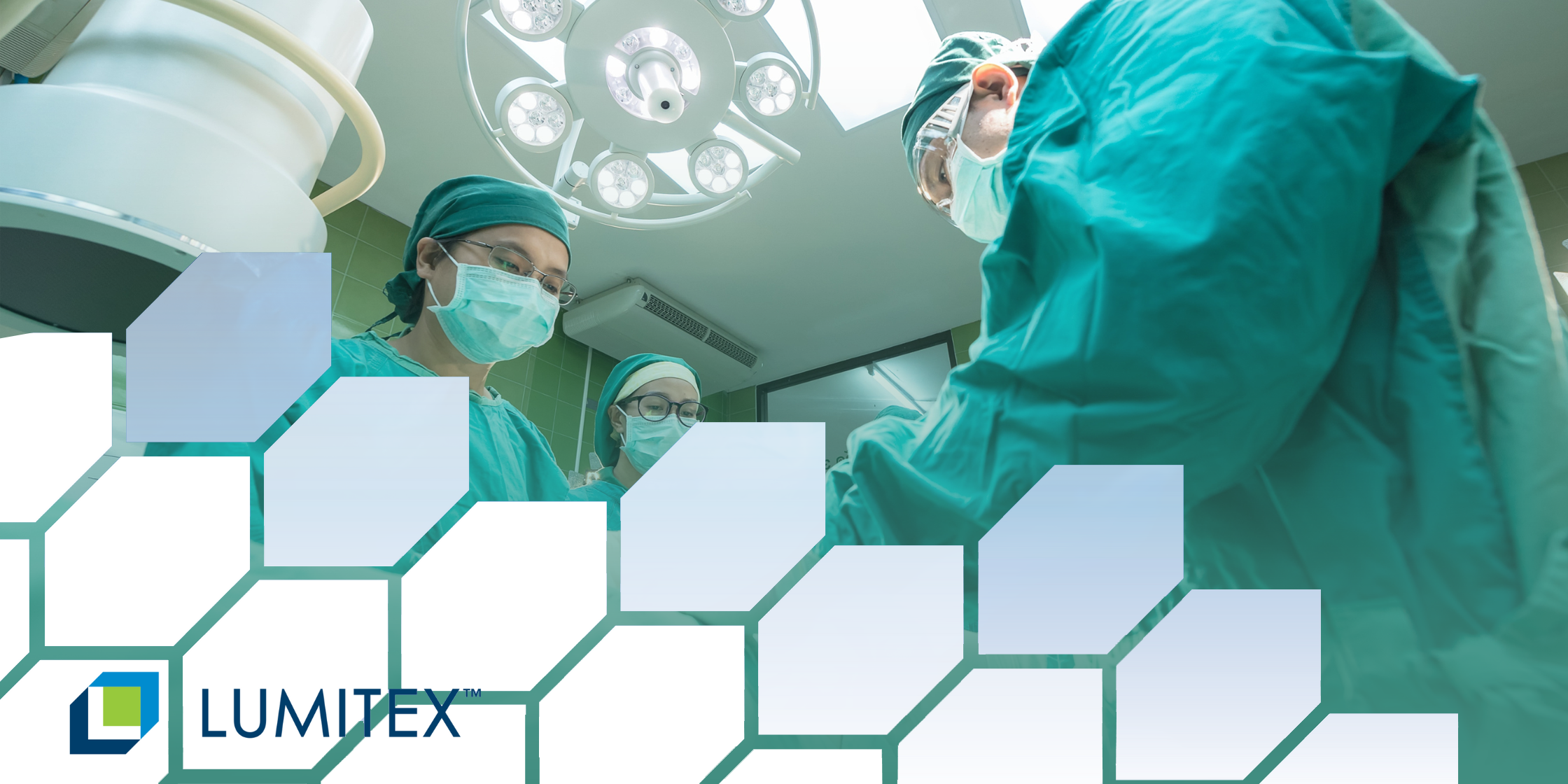
In the operating room, visiualization is critical. The success of a surgical procedure often hinges on the clarity with which the surgical team can see (and interpret) anatomical structures. Modern surgical lighting systems, like overhead lights, in-cavity lighting, and surgeon headlamps, work together to deliver optimized visual environments that optimize patient outcomes. 

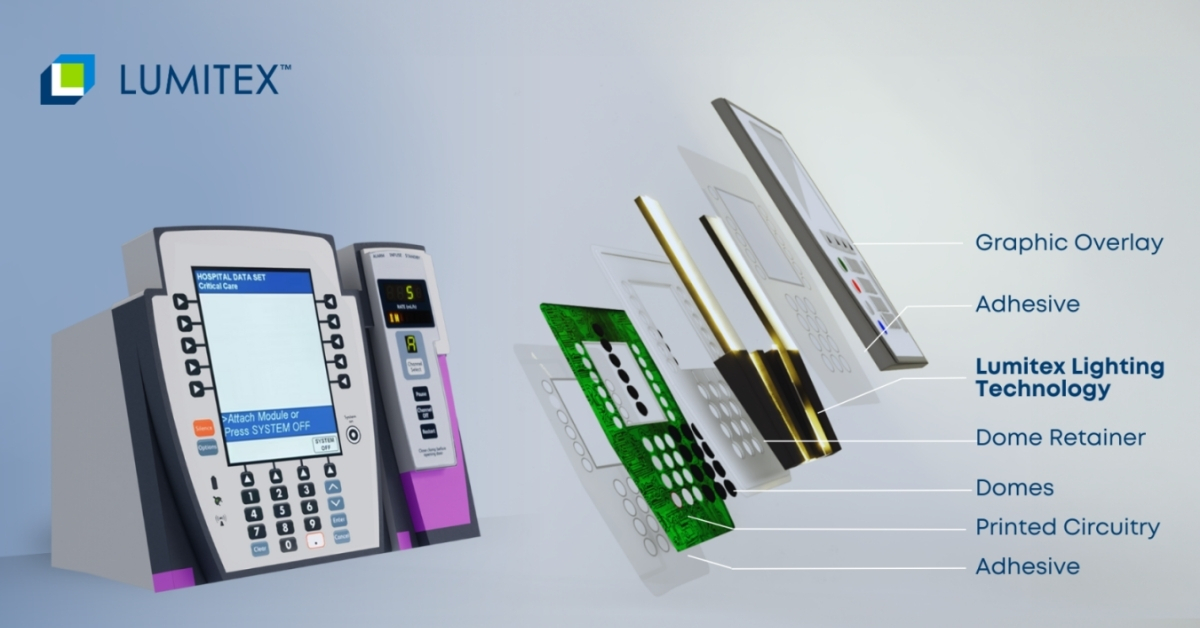
Medical HMI Devices and The Powerful Impact of Backlighting

In healthcare, poor visibility when using medical devices can lead to critical errors that compromise patient safety.

How LED Lighting Solutions Transformed Labor & Delivery

Outdated lighting products don’t just dim the room; they dim opportunity.

In-Cavity Lighting for Better Surgical Visibility

In-cavity lighting gives surgeons a way to illuminate deep or narrow surgical spaces from inside the surgical cavity. Traditional operating room lights and headlamps can still cast shadows, require frequent adjustment or block the surgeon’s view during a procedure.

The Crucial Conversation on Re-Sterilization of Surgical Tools

In the realm of healthcare, where patient safety and infection control are paramount, the meticulous sterilization of surgical tools plays a pivotal role. The re-sterilization of these instruments has emerged as a critical issue that demands our attention. This practice, while often driven by cost considerations, raises concerns about its potential impact on patient safety and infection control standards. In this blog post, we delve into the complexities surrounding the re-sterilization of surgical tools and the imperative for a thorough examination of its consequences.

Enhancing Safety in Surgical Lighting: Mitigating Risks

When designing a safe medical device for patients and users, several factors must be considered. Specifically, in the case of surgical lighting, there are critical risks to be mitigated, especially when the light source is near the patient's body during minimally invasive procedures.

In this article, we will discuss four major areas of safety concerns involving surgical lighting:

  • Thermal safety
  • Eye strain of medical staff, and
  • Infection rates associated with reprocessing devices
  • Power outages and lighting failures

We’ll review design concerns and how to overcome these challenges.

Aesthetic Lighting: How Lighting Can Enhance the Overall Look & Feel of a Product

Introduction

In today’s world, brand recognition shows up everywhere, and the medical technology industry is no exception. Branding is ever-present, from medical equipment such as an MRI machine to the label on a disposable package. When OEMs (Original Equipment Manufacturers) are in the design phase of product development, brainstorming new ways to cut through marketplace noise is becoming more difficult as time goes on but is still critical for product success. 

The Current State of Hospital Lighting and Its Impact

When thinking about hospital lighting, many people will automatically visualize the bright fluorescent lights throughout the building that make it feel sterile and clean. With advancements in technology and knowledge around the impact light can make on physical and emotional health, hospitals are now starting to consider taking a different approach to their lighting efforts.

Surgical Lighting to Optimize and Focus Light Intensity

Surgical lighting ergonomics is a hot topic in the surgical world. Overhead lights can have limited positioning and may not provide adequate visibility in deep tissue or minimally invasive surgery. Headlamps are popular, but can be extremely cumbersome and can add strain to the neck during long surgeries, especially with additional COVID protective equipment.

One of the biggest and most concerning ergonomic issues caused by surgical lighting can be that unmodulated high-intensity light can result in eye strain and fatigue.

In this article, we will focus on surgical lighting ergonomics related to eye strain and visibility during procedures and new trends that help improve these issues.