Neurological disorders affect millions of people worldwide, causing profound personal and societal injury. Conditions such as Alzheimer's, Parkinson's, and traumatic brain injury (TBI) devastate individual lives and strain healthcare systems.
The quest for effective, non-invasive treatments has led to exploration of innovative modalities, including light therapy. Emerging research such as Dr. Michael Hamblin's pioneering work in his book 'Photobiomodulation in Neuroscience,' highlights the potential of light as a powerful healing tool, offering new hope for treating neurological disorders.
Brain photobiomodulation (PBM) therapy stands out as a promising noninvasive treatment modality. It harnesses the healing power of light to stimulate neural activity and improve brain function.
What is Brain Photobiomodulation (PBM) Therapy?
Brain photobiomodulation (PBM) therapy is an innovative treatment that uses low-intensity light to stimulate neural activity and improve brain function.
This therapy involves exposing neural tissue to red or near-infrared (NIR) light, typically delivered through various methods such as LEDs or lasers.
The wavelengths of light used in PBM therapies range from 600–1,100 nm, with red light (up to 700 nm) and NIR light (up to 940 nm) primarily targeting cytochrome c oxidase in mitochondria. Longer NIR wavelengths (980 nm and 1,064 nm) affect heat-sensitive ion channels.
Molecular Mechanisms of PBM Therapy
Therapeutic effects of PBM start when light passes through the scalp and skull before it’s absorbed by specific molecules in the brain. Depending on the wavelength, the light interacts with two main chromophores: cytochrome c oxidase and transient receptor potential (TRP) ion channels.
For red and near-infrared (NIR) light up to 940 nm, the primary chromophore is cytochrome c oxidase, an enzyme in the mitochondrial respiratory chain of cortical neurons. When cytochrome c oxidase absorbs light, it increases the production of cellular energy (ATP) and reactive oxygen species (ROS).
These changes enhance cell signaling and overall mitochondrial activity, leading to improved cellular survival, reduced apoptosis, decreased oxidative stress, and suppressed inflammation. Collectively, these effects can enhance brain function and cognitive ability.
Longer wavelength NIR light (980 nm and 1,064 nm) is primarily absorbed by heat and light-sensitive TRP ion channels. These channels, particularly the transient receptor potential vanilloid (TRPV) type, respond to light by altering cellular ion flows and further promoting cell signaling and messenger molecule production.
Similar to the effects on cytochrome c oxidase, this stimulation of TRP channels leads to increased mitochondrial activity, boosting ATP and ROS production.
Source:Brain Photobiomodulation Therapy: A Narrative Review (National Library of Medicine; 2018
Source:Brain Photobiomodulation Therapy: A Narrative Review (National Library of Medicine; 2018)
Technical Aspects of PBM Therapy
Heat and Risk Factors
The use of PBM therapy involves managing potential heat risks. Light intensity needs to be carefully controlled to prevent overheating skin.
Research suggests that power densities for light therapy devices used on the head are typically kept below certain thresholds to avoid potential discomfort or adverse effects. Studies indicate that perceptible heating of the skin may begin when power density exceeds approximately 500 mW/cm². At higher levels, around 1 W/cm², the sensation of heat can become more pronounced.²
Proper device design is essential to ensure patient comfort and safety. Features that regulate temperature and distribute light evenly to prevent hotspots are best practice. By maintaining strict safety standards, PBM devices can effectively deliver therapeutic benefits without causing adverse effects.
Light Therapy Considerations
Effective PBM therapy also requires careful consideration of light wavelength, intensity, and exposure time. Wavelengths between 650–1,200 nm are most effective for treating neurological conditions. The intensity of light also matters: low doses might not have a significant effect, while high doses can actually harm cells.
It's important to find the right balance. Studies show that light needs to be delivered in specific doses to stimulate beneficial effects. For example, an optimal dose can boost cellular energy and improve mitochondrial function, but too much light can damage mitochondria. Proper device design also helps ensure that light therapies are delivered in the right dosage to maximize benefits and minimize risks.
Potential Outcomes and Ideal Candidates
The therapeutic outcomes of PBM are extensive and include improved cell survival, reduced apoptosis, decreased oxidative stress, and suppressed inflammation.
A study by Salgado et al. showed significant improvement in cerebral blood flow in elderly women following transcranial LED therapy. These improvements were measured using transcranial Doppler ultrasound, indicating enhanced blood flow velocity and reduced resistance in key cerebral arteries.
For conditions associated with cognitive decline, like Huntington’s disease and diabetic retinopathy, PBM has demonstrated neuroprotective effects, highlighting its potential as a broad-spectrum therapy for various neurological disorders.
Source:Brain Photobiomodulation Therapy: A Narrative Review (National Library of Medicine; 2018)
Other ideal treatment candidates include patients with:
Traumatic Brain Injury (TBI)
PBM therapy has been shown to improve outcomes for TBI patients, including enhanced self-awareness, social functioning, and sleep quality.
Transcranial LED therapy (633/870 nm) can also improve self-regulation in social functioning and sleep quality. Higher doses of NIR light have been particularly effective in reducing headaches and improving mood and cognitive states.
Another study investigated the effects of PBM on cerebral blood flow and cognitive function in patients with chronic TBI. The results showed significant improvements in executive function, memory, and sleep quality, suggesting that PBM can effectively enhance cognitive performance and overall brain health in TBI patients.
In animal models, PBM has also been shown to reduce inflammation and cell death while improving cognitive functions such as learning and memory.
Alzheimer’s Disease
Research suggests that NIR PBM therapymay have positive effects on patients with Alzheimer's disease. Some studies have reported improvements in sleep duration, mood, and various aspects of cognitive function, including memory and attention, following NIR PBM treatments.⁶
Studies have demonstrated that PBM can reduce amyloid-beta plaques and tau protein tangles, which are hallmarks of Alzheimer’s disease, potentially slowing disease progression and improving patient outcomes.
Additionally, PBM therapy enhances cerebral blood flow and oxygenation, providing critical support to brain regions affected by Alzheimer’s.
By improving mitochondrial function and reducing oxidative stress and inflammation, PBM helps protect neurons from damage and promotes neurogenesis, the creation of new neurons. This can contribute to better cognitive performance and could offer a non-invasive, low-risk treatment option to help manage and mitigate the symptoms of Alzheimer’s disease, improving patient quality of life.
Parkinson’s Disease
Research has shown that PBM therapy may be beneficial for Parkinson’s disease. studies have reported improvements in both motor and cognitive functions following PBM treatment.⁵ These improvements are attributed to the therapy’s ability to protect neuronal cells and stimulate neurogenesis.
In animal models of Parkinson’s disease, PBM has been shown to improve motor performance and reduce neuroinflammation. Clinical studies have reported improvements in motor skills and cognitive functions, suggesting that PBM could be a valuable adjunctive treatment for Parkinson’s patients.
Current Products on the Market
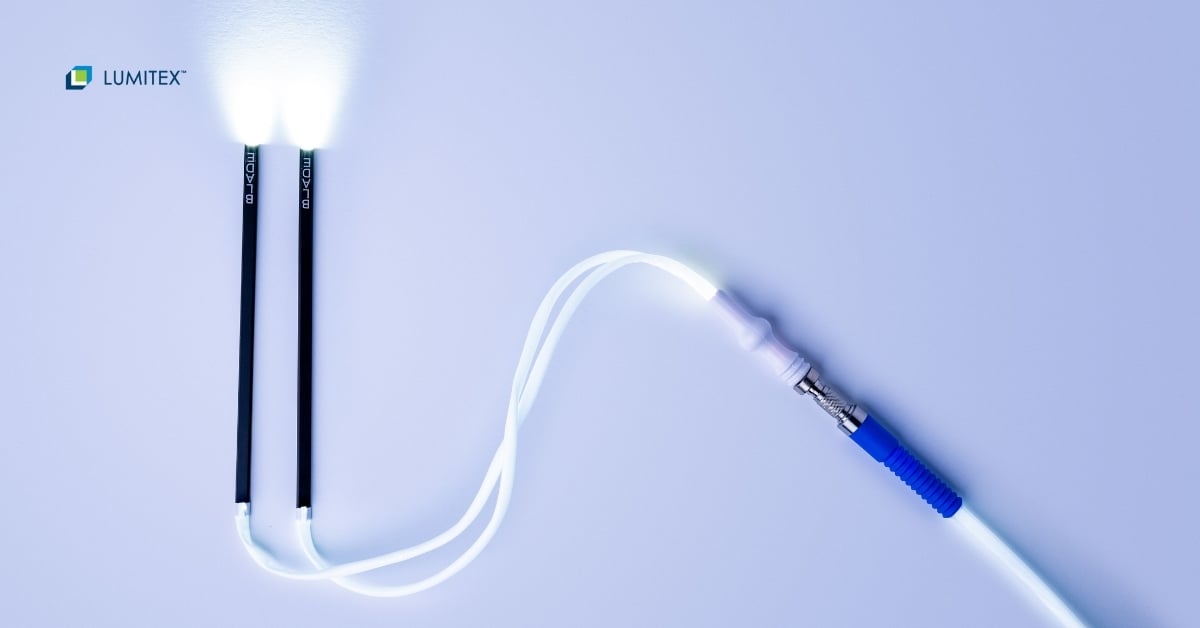
While photobiomodulation devices for general health are widely available, the number of specific devices for transcranial applications is growing. These devices, often helmets or headbands with integrated NIR LEDs, are designed to target specific brain regions, providing non-invasive treatment options for neurological disorders.
There are specialized photobiomodulation (PBM) devices on the market designed for brain therapy, offering targeted treatment for conditions such as Alzheimer’s and traumatic brain injury (TBI).
A Bright Future for Neurological Healing
Emerging research underscores the potential of PBM to enhance cognitive performance, reduce symptoms, and improve overall brain health.
By leveraging the therapeutic effects of light to stimulate neural activity, PBM therapy provides a safe and effective treatment option. As the understanding and application of this innovative therapy continue to grow, PBM holds great promise for transforming the management of neurological disorders and significantly improving patient outcomes and quality of life.
Article by:
Resources:
- Salgado, A. S., Zângaro, R. A., Parreira, R. B., & Kerppers, I. I. (2015). The effects of transcranial LED therapy (TCLT) on cerebral blood flow in the elderly women. Lasers in Medical Science, 30(1), 339-346.
- Hamblin, M. R. (2016). Photobiomodulation for traumatic brain injury and stroke. Journal of Neuroscience Research, 96(4), 731-743.
- Salehpour, F., Mahmoudi, J., Kamari, F., Sadigh-Eteghad, S., Rasta, S. H., & Hamblin, M. R. (2018). Brain photobiomodulation therapy: A narrative review. Molecular Neurobiology, 55(8), 6601-6636.
- Berman, M. H., Hamblin, M. R., Chazot, P. L., & Budson, A. E. (2023). Transcranial photobiomodulation treatment: Significant improvements in four ex-football players with possible chronic traumatic encephalopathy. Photobiomodulation, Photomedicine, and Laser Surgery, 41(3), 158-168.
- Salehpour, F., & Hamblin, M. R. (2022). The molecular mechanisms of action of photobiomodulation against neurodegenerative diseases: A systematic review. Molecular Neurobiology, 59(3), 1658-1691.
- Nizamutdinov, D., Qi, X., Berman, M. H., Dougal, G., Dayawansa, S., Wu, E., Yi, S. S., Stevens, A. B., & Huang, J. H. (2021). Transcranial Near Infrared Light Stimulations Improve Cognition in Patients with Dementia. Aging and Disease, 12(4), 954-963. https://doi.org/10.14336/AD.2021.0229
FAQs About PBM Therapy for Neurological Healing
What is PBM therapy?
PBM therapy, or photobiomodulation therapy, uses low-intensity red or near-infrared light to stimulate cellular activity. In neurological applications, it may support brain function by affecting mitochondrial activity, inflammation and cellular signaling.
How does brain PBM therapy work?
Brain PBM therapy works by delivering specific light wavelengths through the scalp and skull. The light interacts with chromophores such as cytochrome c oxidase and TRP ion channels, which may support cellular energy production and neural signaling.
What wavelengths are used in PBM therapy?
PBM therapy commonly uses red and near-infrared wavelengths between about 600 and 1,100 nm. Different wavelengths may interact with different biological targets, including mitochondrial enzymes and heat-sensitive ion channels.
Can PBM therapy support Alzheimer’s patients?
Research suggests PBM therapy may support sleep, mood and cognitive function in some patients with Alzheimer’s disease. More clinical research is needed to confirm protocols, patient selection and long-term outcomes.
Why is heat control important in PBM therapy?
Heat control is important because excessive light intensity can cause discomfort or skin heating. Proper device design helps distribute light evenly, control dosage and reduce hotspot risk.
Is PBM therapy invasive?
PBM therapy is generally considered non-invasive because it uses controlled light exposure rather than surgery. Device design, wavelength selection and dosage control are important for safe application.